
Exploring the realm of Marketing strategy consultants reveals their pivotal role in shaping business growth and success. These experts not only craft strategic visions but also provide the insights needed to navigate the complex landscape of modern marketing.
From defining essential components of effective marketing strategies to assessing their impact on overall business performance, marketing strategy consultants are key players in transforming potential into reality. Their expertise extends to branding techniques and business development, ensuring that a company’s vision aligns perfectly with its market presence.
Marketing Strategy Overview
Marketing strategy consultants play a pivotal role in guiding businesses toward sustainable growth and competitive advantage. Their expertise helps organizations identify market opportunities, refine brand messaging, and establish effective channels for reaching their target audience. By leveraging comprehensive market analysis and strategic insight, these consultants empower businesses to make informed decisions that drive long-term success.A well-rounded marketing strategy encompasses several key components that work cohesively to achieve business objectives.
Understanding these elements is vital for developing a robust strategy that not only resonates with customers but also aligns with overall business goals. The main components include target market identification, value proposition development, competitive analysis, marketing mix planning, and performance measurement. Each of these elements contributes to a cohesive strategy that enhances customer engagement and drives sales.
Role of Marketing Strategy Consultants in Business Growth
Marketing strategy consultants facilitate business growth through several essential functions. They begin by conducting in-depth market research to identify emerging trends and consumer behaviors. This research informs the development of targeted strategies that resonate with the intended audience. Additionally, they assist businesses in crafting compelling value propositions that clearly communicate benefits to customers, ensuring that the brand stands out in a crowded marketplace.One pivotal aspect of their role is performing competitive analysis.
By evaluating competitors’ strengths and weaknesses, consultants can help businesses position themselves effectively. This insight allows companies to identify unique selling points that differentiate their offerings. Furthermore, consultants aid in the design of marketing strategies that involve the right mix of channels, including digital marketing, social media, and traditional advertising.Performance measurement is another critical aspect of their work. Consultants implement metrics and KPIs to assess the effectiveness of marketing initiatives.
This data-driven approach provides insights that inform future strategic adjustments. Overall, the involvement of marketing strategy consultants often leads to improved market positioning, enhanced customer loyalty, and increased revenue.
Key Components of an Effective Marketing Strategy
The foundation of an effective marketing strategy is built upon several fundamental components. Each part plays a critical role in ensuring that the strategy is not only comprehensive but also adaptable to the changing market landscape. Below are the key components:
- Target Market Identification: Defining the specific audience segments a business aims to serve is essential. This includes understanding demographics, psychographics, and purchasing behavior.
- Value Proposition Development: Crafting a compelling value proposition that Artikels the unique benefits of a product or service helps attract and retain customers.
- Competitive Analysis: Analyzing competitors enables businesses to position themselves advantageously and identify gaps in the market.
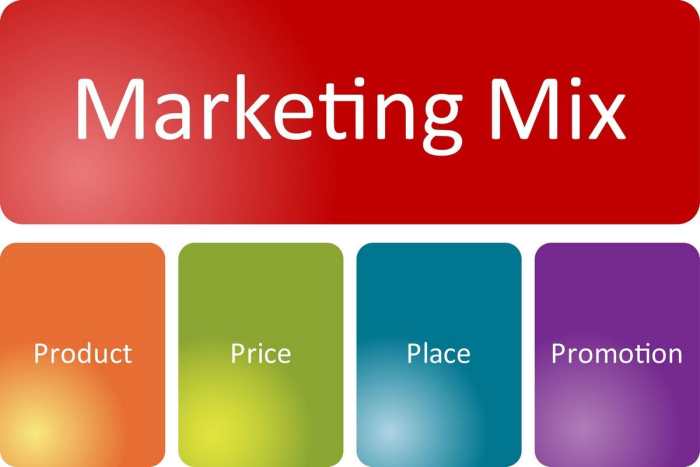
- Marketing Mix Planning: Creating a balanced marketing mix that incorporates product, price, place, and promotion strategies is vital for reaching the target audience effectively.
- Performance Measurement: Establishing clear KPIs and metrics allows businesses to assess the effectiveness of their marketing efforts continuously.
Assessing the Effectiveness of a Marketing Strategy
Evaluating the effectiveness of a marketing strategy is crucial for ongoing success. Organizations must implement systematic approaches to measure and analyze performance. Important metrics include sales growth, customer acquisition costs, and return on investment (ROI). Performance assessment can be enhanced through the utilization of analytics tools that track engagement across various marketing channels. For instance, metrics from social media platforms can reveal how well content resonates with audiences, while web analytics provide insights into user behavior on websites.
A periodic review of these metrics enables businesses to identify successful strategies and areas that require improvement. By adopting a data-informed approach, companies can pivot their marketing strategies in response to market shifts or emerging trends, ensuring they remain relevant and competitive.
“An effective marketing strategy is not just about promoting a product; it’s about understanding the needs of the customer and fulfilling them in a unique way.”
Business Branding Techniques
Creating a strong branding strategy is essential for any business aiming to establish a solid market presence and connect effectively with its target audience. A well-defined branding strategy not only helps in differentiating a business from its competitors but also aligns closely with overarching business objectives, ensuring that all branding efforts contribute to the overall mission and vision of the organization.A branding strategy encompasses the planning and execution of various elements that shape a brand’s identity, ensuring that it resonates with consumers.
The importance of brand identity in marketing efforts cannot be overstated; it influences perceptions, fosters customer loyalty, and drives sales. A cohesive brand identity incorporates visual elements, messaging, and emotional connections, making it critical for businesses to develop a thoughtful approach to branding.
Designing a Branding Strategy
A branding strategy should reflect the essence of the business while taking into account market demands and consumer preferences. It involves several key components that work together to form a unified brand image:
- Brand Vision and Mission: Articulating a clear vision and mission statement guides the direction of all branding initiatives.
- Target Audience Identification: Understanding the demographics, preferences, and behaviors of the target audience informs branding decisions and marketing strategies.
- Unique Selling Proposition (USP): Defining what sets the brand apart from competitors helps to clarify its position in the marketplace.
- Consistent Messaging: Ensuring that all communications reflect the brand’s values and tone reinforces brand identity.
- Visual Identity: Developing a logo, color palette, and typography that represents the brand visually aids in recognition and recall.
Importance of Brand Identity in Marketing Efforts
Brand identity serves as the foundation for all marketing efforts, influencing how consumers perceive and interact with a brand. A strong brand identity fosters trust and loyalty among customers, leading to repeat business. The elements of brand identity include:
- Logo and Design: A memorable logo acts as a visual cue that represents the brand across various platforms.
- Brand Voice: The tone and style of communication should consistently reflect the brand’s personality, whether in advertisements, social media, or customer interactions.
- Brand Story: Sharing the brand’s history and values helps to create an emotional connection with consumers.
- Customer Experience: Every touchpoint, from website navigation to customer service, contributes to the overall brand identity and influences customer satisfaction.
Measuring Brand Equity and Consumer Perception
Evaluating brand equity and understanding consumer perception are vital for assessing the effectiveness of branding strategies. Several methods can be employed to measure these aspects:
- Brand Awareness Surveys: Conducting surveys to gauge consumer recognition and recall of the brand helps identify strengths and weaknesses in brand visibility.
- Net Promoter Score (NPS): This metric evaluates customer loyalty by asking how likely customers are to recommend the brand to others.
- Social Media Sentiment Analysis: Analyzing comments, shares, and likes on social media platforms provides insights into consumer perceptions and attitudes toward the brand.
- Market Share Analysis: Tracking changes in market share can indicate shifts in consumer preference and brand strength relative to competitors.
- Brand Value Estimates: Financial assessments of brand value, typically involving revenue contributions attributed to brand recognition, provide a quantitative measure of brand equity.
Business Development and Consulting Services
In today’s competitive market, businesses require a solid framework and strategic guidance to navigate growth opportunities effectively. Business development and consulting services play a pivotal role in shaping a company’s future, allowing them to harness their strengths and address challenges head-on. This section delves into the essential steps for developing a robust consulting framework, the advantages of hiring marketing strategy consultants, and the creation of a comprehensive business management plan that incorporates effective marketing strategies.
Steps to Develop a Strong Business Consulting Framework
Establishing a strong business consulting framework involves a series of methodical steps that can enhance service delivery and client satisfaction. The following steps highlight the process:
- Conduct a Needs Assessment: Understanding client requirements is crucial. This involves gathering data on their current processes and desired outcomes.
- Define Objectives: Clearly Artikel the goals of the consulting engagement, ensuring they align with the client’s business strategy.
- Develop a Framework: Create a structured approach that includes methodologies, tools, and techniques tailored to meet client needs.
- Implement Best Practices: Utilize proven practices in consulting to ensure consistency and quality in service delivery.
- Measure and Evaluate: Regularly assess the outcomes of consulting efforts against the defined objectives and make necessary adjustments.
Utilizing this structured approach ensures that consultants can deliver substantial value, fostering long-term relationships with clients.
Benefits of Hiring Marketing Strategy Consultants for Business Expansion
Engaging marketing strategy consultants can significantly bolster a business’s growth and expansion efforts. Their expertise provides various advantages, including:
- Expert Insight: Consultants bring a wealth of experience and knowledge, helping businesses navigate complex market dynamics.
- Fresh Perspectives: External consultants can offer unbiased viewpoints, identifying opportunities and challenges that may have been overlooked internally.
- Resource Efficiency: By leveraging external expertise, companies can save time and money, allowing internal teams to focus on core operations.
- Customized Strategies: Marketing consultants create tailored strategies aligned with specific business goals, ensuring effective outreach and positioning.
- Improved ROI: With a focus on measurable results, consultants help businesses optimize marketing spend and improve return on investment.
These benefits underscore the importance of professional guidance in scaling business operations effectively.
Creating a Comprehensive Business Management Plan with Marketing Strategy
A comprehensive business management plan is essential for sustainable growth, integrating various aspects of the organization, including marketing strategies. To create such a plan, the following components should be included:
- Executive Summary: A concise overview of the business objectives, mission, and vision, highlighting key strategies.
- Market Analysis: Evaluate the target market, including size, trends, and competitive landscape, to inform marketing strategy.
- Marketing Strategy: Detail the approach to reaching customers, including branding, promotional tactics, and channels used.
- Operational Plan: Artikel the operational aspects necessary to support the marketing strategy, including resource allocation and logistics.
- Financial Projections: Include forecasts for revenue, expenses, and profitability, tying these back to the marketing strategy.
A robust business management plan ensures that all elements work cohesively towards shared objectives, facilitating a roadmap for success in the competitive market landscape.
Final Wrap-Up
In summary, the contributions of Marketing strategy consultants are invaluable in fostering brand identity and driving business expansion. By implementing a well-rounded marketing strategy and consulting framework, businesses position themselves for sustainable growth and competitive advantage. The journey towards success becomes clearer with the right guidance and comprehensive planning.
FAQ Resource
What do marketing strategy consultants do?
They analyze market trends, develop strategies, and provide actionable insights to help businesses achieve their marketing goals.
How can a business benefit from hiring a marketing strategy consultant?
A marketing strategy consultant can offer expertise that leads to improved branding, increased customer engagement, and overall business growth.
What qualifications should I look for in a marketing strategy consultant?
Look for consultants with proven experience, relevant certifications, and a strong portfolio of successful projects.
How do I measure the effectiveness of a marketing strategy?
Effectiveness can be measured through KPIs like sales growth, customer acquisition rates, and overall return on investment (ROI).
What is the typical duration of a consulting engagement?
Consulting engagements can vary widely but typically last from a few weeks to several months, depending on the project scope.


